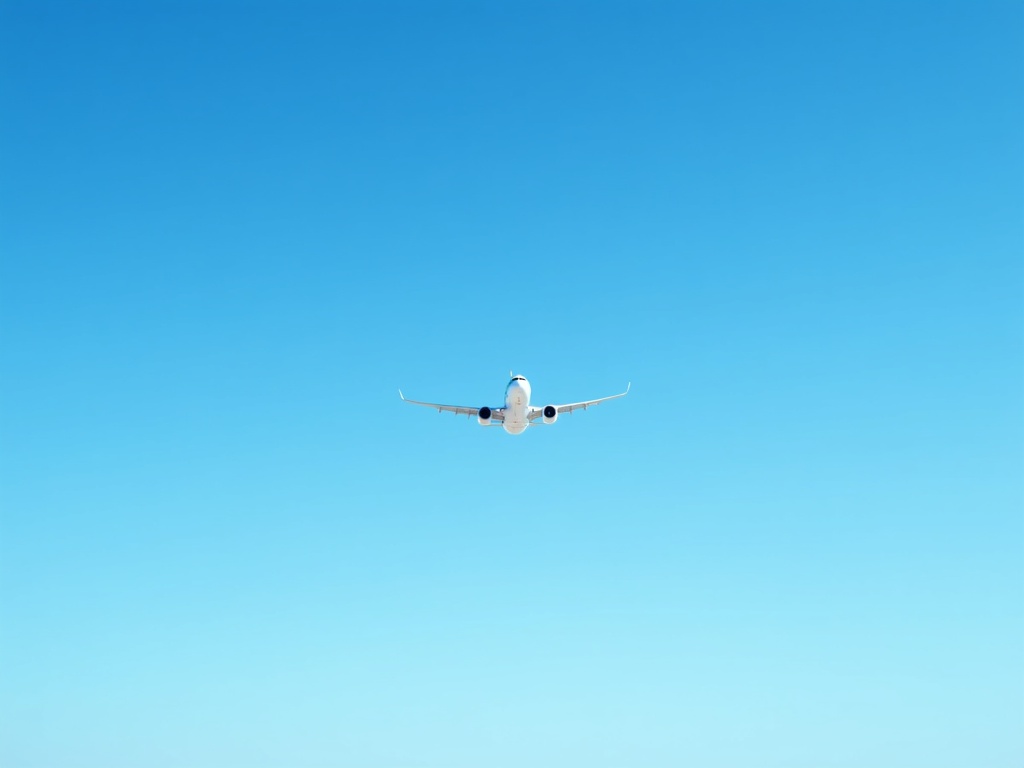
- Increased Connectivity: Direct weekly flights between the UK and China will rise from 100 to 150.
- Post-Brexit Trade Push: The UK government positions this as the first of several “open skies” deals aimed at boosting trade in the post-Brexit era.
- Economic Imperative: The agreement is expected to significantly enhance trade, tourism, and business travel between the two nations.
- Pragmatic Engagement: Analysts interpret the move as a strategic economic recalibration by the UK, navigating complex geopolitical tensions with China.
- Airline Opportunities: The expansion provides airlines with substantial capacity to expand routes and frequencies, potentially increasing competition and services.
The United Kingdom and China have significantly expanded their direct air links, agreeing to raise the weekly flight limit between the two nations from 100 to 150. This move, framed by the UK government as the inaugural step in a series of “open skies” deals, aims to invigorate trade in the post-Brexit era. However, amidst a complex geopolitical landscape, the agreement signifies more than just increased travel capacity; it signals a pragmatic re-engagement on economic terms, even as political tensions persist.
A Pragmatic Boost Amidst Geopolitical Headwinds
The agreement, which sees a 50% increase in permitted direct flights, is a clear signal from London that economic engagement with Beijing remains a strategic imperative. For the United Kingdom, navigating its post-Brexit trade strategy involves seeking new opportunities and bolstering existing ones, and China, as the world’s second-largest economy, represents an undeniable market for goods, services, and tourism. This expansion is designed to facilitate greater business interaction, boost tourism flows, and enhance air cargo capacity, critical components for economic recovery and growth.
The Mechanics of Expansion
From an operational standpoint, the increase to 150 weekly flight slots provides airlines with substantial room to expand routes and frequencies. This capacity boost is expected to be phased in, allowing carriers like British Airways, Virgin Atlantic, Air China, China Southern, and China Eastern to re-evaluate their networks and potentially introduce new city pairs beyond the traditional London-Beijing/Shanghai routes. Increased competition is also likely, which could translate to more competitive fares and enhanced services for passengers and cargo clients alike.
Economic Pragmatism Amidst Geopolitical Friction
The timing is noteworthy. While London highlights the economic rationale, the broader UK-China relationship has been strained by issues from human rights to national security, moving far from the “golden era” rhetoric. This flight deal represents a careful calibration by the UK, balancing economic interests with its values-based foreign policy. It suggests a transactional approach, where economic cooperation can proceed in parallel with, but not necessarily dilute, principled criticisms. For Beijing, the increased air connectivity offers tangible benefits, including enhanced access for its middle class to European tourism and education, and stronger logistical links. It also allows China to demonstrate continued global economic integration and its willingness to engage.
Broader Implications and Future Outlook
Beyond immediate travel and logistics, such “open skies” agreements often form the bedrock for deeper economic relationships, potentially fostering foreign direct investment and cultural exchange. They facilitate the crucial face-to-face interactions essential for building trust, even amidst complex governmental relations. However, the true success in boosting trade hinges on the broader political climate and whether further reciprocal moves ease other barriers to commerce and investment. This flight expansion marks a significant, if pragmatic, step in the evolving relationship, underscoring the enduring economic interconnectedness between major global powers even when their political ideologies and strategic interests diverge.
Leave a Reply