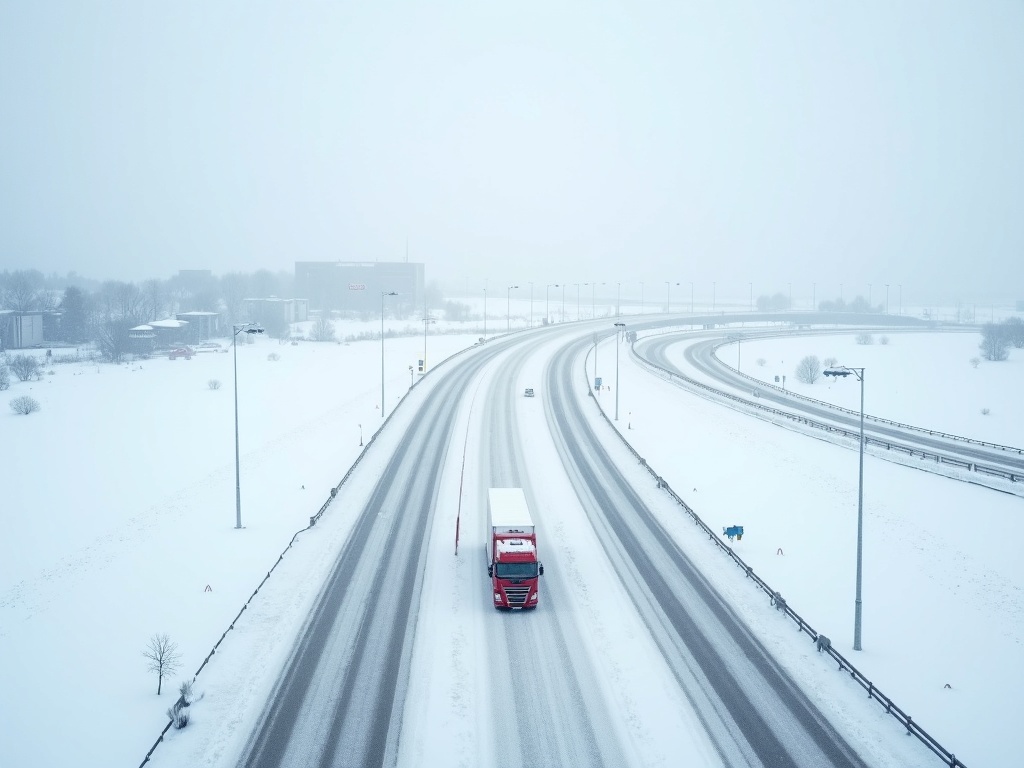
- Britain faces widespread travel disruption across road, rail, and air networks.
- The chaos is attributed to severe frost, heavy rain, and treacherous ice following significant snowfall.
- Commuters and logistics are severely impacted, leading to significant economic repercussions.
- The event underscores questions regarding the resilience of national infrastructure against increasingly volatile weather patterns.
- Emergency services are stretched, and public safety warnings remain in effect across affected regions.
LONDON – Large swathes of Britain woke on Monday to a landscape transformed by winter’s unforgiving embrace, as severe frost, persistent rains, and treacherous icy conditions, following heavy snowfall, brought major travel networks to a grinding halt. The widespread disruption, impacting millions of commuters and critical supply chains, has cast a harsh light on the nation’s preparedness for extreme weather events, posing immediate economic challenges and raising longer-term questions about infrastructure resilience.
The Immediate Onslaught: Roads, Rails, and Runways Under Siege
From the bustling arteries of the South East to the more remote routes of Scotland, Britain’s transport infrastructure buckled under the meteorological assault. Major motorways and A-roads became perilous, with police forces reporting numerous accidents and advising against all but essential travel. De-icing operations struggled to keep pace with the rapid freeze, creating a mosaic of closures and lengthy delays that snaked across the country.
The rail network, a lifeline for millions, experienced significant cancellations and extensive delays. Frozen points, icy tracks, and power line issues led to widespread disruption on key routes, leaving thousands of passengers stranded and operators scrambling to implement revised timetables. Airports, including major hubs, also faced a cascade of delays and cancellations, with de-icing efforts on aircraft and runways working continuously against the challenging conditions. The cumulative effect has been a national bottleneck, with knock-on effects expected to ripple through the week.
Economic Fallout and Infrastructure Scrutiny
Beyond the immediate inconvenience, the travel paralysis carries substantial economic implications. Productivity losses from absent workers, delays in commercial deliveries, and reduced consumer spending due to curtailed movement are expected to weigh on an economy already navigating inflationary pressures and slower growth. Businesses, particularly those reliant on just-in-time logistics, face immediate challenges in maintaining operations and fulfilling orders.
This episode serves as a stark reminder of the vulnerabilities inherent in a complex, interconnected national infrastructure. While Britain is accustomed to varied weather, the intensity and rapid onset of the current conditions have prompted renewed scrutiny of investment in weather-proofing critical assets. As global weather patterns exhibit increasing volatility, the capacity of developed nations to absorb such shocks without significant economic and social cost becomes a critical measure of their societal resilience. The British experience underscores a universal challenge: how to design and maintain infrastructure that can withstand the unpredictable forces of a changing climate without prohibitive costs.
Navigating the Days Ahead: Public Safety and Operational Response
Authorities have urged the public to exercise extreme caution, with emergency services reporting an elevated number of call-outs related to slips, falls, and road incidents. Councils and transport agencies are working round-the-clock, deploying gritters and maintenance teams, but the persistent icy conditions present a formidable adversary. The coming days will test the robustness of contingency plans and the resolve of communities as they navigate a landscape where routine journeys become arduous undertakings.
As Britain begins to thaw, the focus will inevitably shift from immediate recovery to a deeper evaluation of how to mitigate the impact of future extreme weather. The current disruption provides a crucial case study for policy makers and infrastructure planners globally, highlighting the imperative for adaptable, resilient systems in an era of climatic uncertainty.
Leave a Reply