Key Takeaways
- The United Kingdom and China have increased the limit on direct weekly flights from 100 to 150.
- The UK government frames this as the first of several ‘open skies’ initiatives aimed at boosting post-Brexit trade.
- The move reflects a pragmatic economic engagement despite broader geopolitical tensions between the two nations.
- Anticipated benefits include increased trade, tourism, and educational exchanges.
A Pragmatic Ascent in Bilateral Connectivity
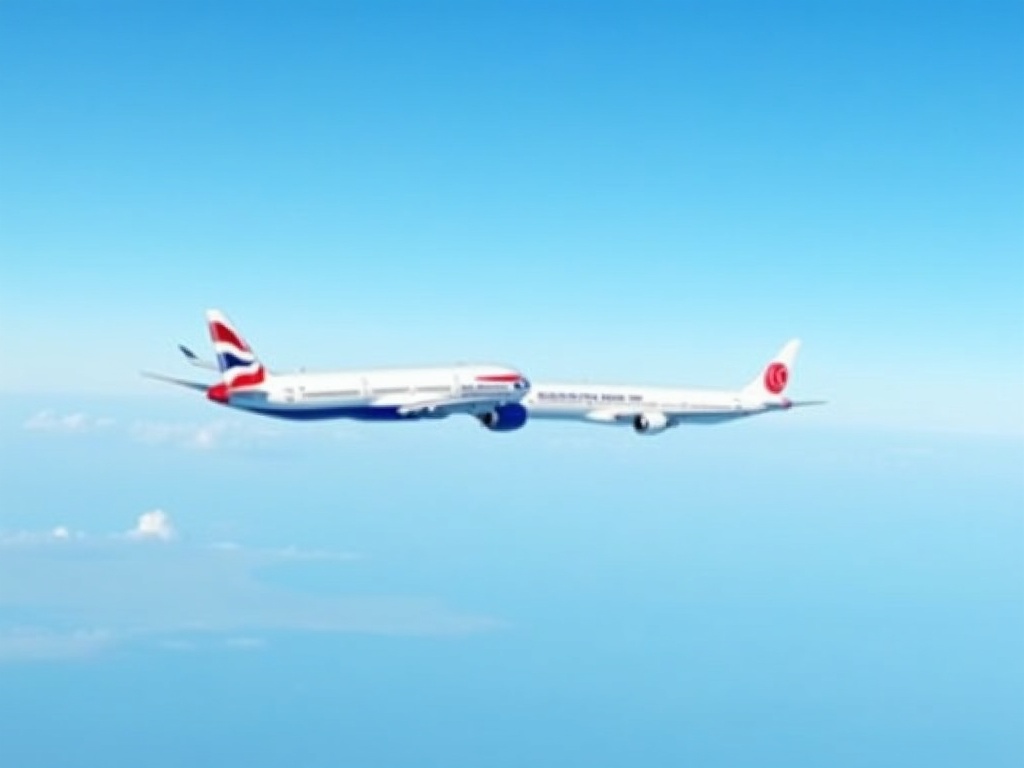
In a significant, albeit measured, development for UK-China relations, both nations have agreed to raise the cap on direct weekly flights between them by 50 percent, moving from 100 to 150. This decision, announced by the UK government, is heralded as a cornerstone of its post-Brexit strategy to forge ‘open skies’ agreements, explicitly designed to stimulate trade and economic activity.
The increment, while not a full ‘open skies’ liberalisation in the traditional sense, represents a notable commitment to enhancing connectivity at a time when global supply chains are reconfiguring and both economies seek avenues for growth. For London, it underscores a persistent drive to diversify its economic partnerships beyond the European Union, a central tenet of its ‘Global Britain’ foreign policy.
The ‘Open Skies’ Imperative and Post-Brexit Britain
The UK’s pursuit of ‘open skies’ deals is a strategic response to its departure from the European Union, aiming to secure direct aviation agreements that were previously managed under broader EU frameworks. Such agreements typically reduce government intervention in airline routes, capacity, and pricing, fostering greater competition and, theoretically, lower fares and increased services. The incremental increase with China signals a cautious, yet firm, step in this direction.
The emphasis on ‘trade post-Brexit’ highlights the economic calculus behind the decision. Enhanced air cargo capacity is crucial for high-value goods, e-commerce, and perishable items, streamlining logistics between two major global economies. Moreover, the increased passenger capacity directly impacts business travel, tourism, and the highly lucrative education sector, which sees thousands of Chinese students matriculating in British universities annually.
Economic Winds: Trade, Tourism, and Education
The immediate beneficiaries of this uplift in flight limits are likely to be the aviation industry itself, along with a cascade of related sectors. Airlines can now schedule more lucrative routes, responding to growing demand that has been somewhat constrained since the post-pandemic reopening. This capacity expansion paves the way for a resurgence in inbound and outbound tourism, injecting vital revenue into hospitality, retail, and cultural institutions in both countries.
Beyond tourism, the agreement is poised to facilitate greater business-to-business engagement. As China continues its post-COVID economic recovery and pushes for greater international investment, easier travel for executives and delegates will be instrumental. For the UK, reinforcing these economic arteries is key to attracting Chinese capital and expanding market access for British goods and services in Asia.
Navigating Geopolitical Headwinds: Diplomacy by Air
The decision to expand air links comes against a complex geopolitical backdrop. Relations between London and Beijing have been fraught in recent years, overshadowed by issues such as human rights concerns in Xinjiang, the erosion of freedoms in Hong Kong, and security debates around Chinese technology. Critics often point to these tensions as reasons for a more cautious approach to engagement.
Yet, this aviation agreement illustrates a prevailing theme in international relations: the ability of economic pragmatism to carve out pathways for cooperation even amidst strategic competition. It suggests that both governments recognise the mutual benefits of maintaining and even enhancing practical economic ties, even when broader political and ideological disagreements persist. For Beijing, the move can be seen as part of a wider effort to normalise international engagement and foster economic stability after years of stringent pandemic controls.
The Path Ahead: More Than Just Flights
While the increase in flights is a tangible outcome, its symbolic weight is perhaps even greater. It signals a willingness on both sides to engage on issues of mutual economic benefit, potentially setting a precedent for further sector-specific agreements. The UK’s statement that this is merely the ‘first of several’ such deals underscores its long-term vision for global aviation connectivity.
However, the trajectory of UK-China relations remains subject to various domestic and international pressures. The success of this aviation pact in genuinely boosting trade and investment will be a critical metric, observed closely by policymakers and businesses alike, as both nations navigate a world increasingly defined by both interdependence and strategic rivalry. This agreement, while practical, does not signal a grand thawing, but rather a strategic decision to keep certain crucial economic channels open, literally, through the skies.
Leave a Reply