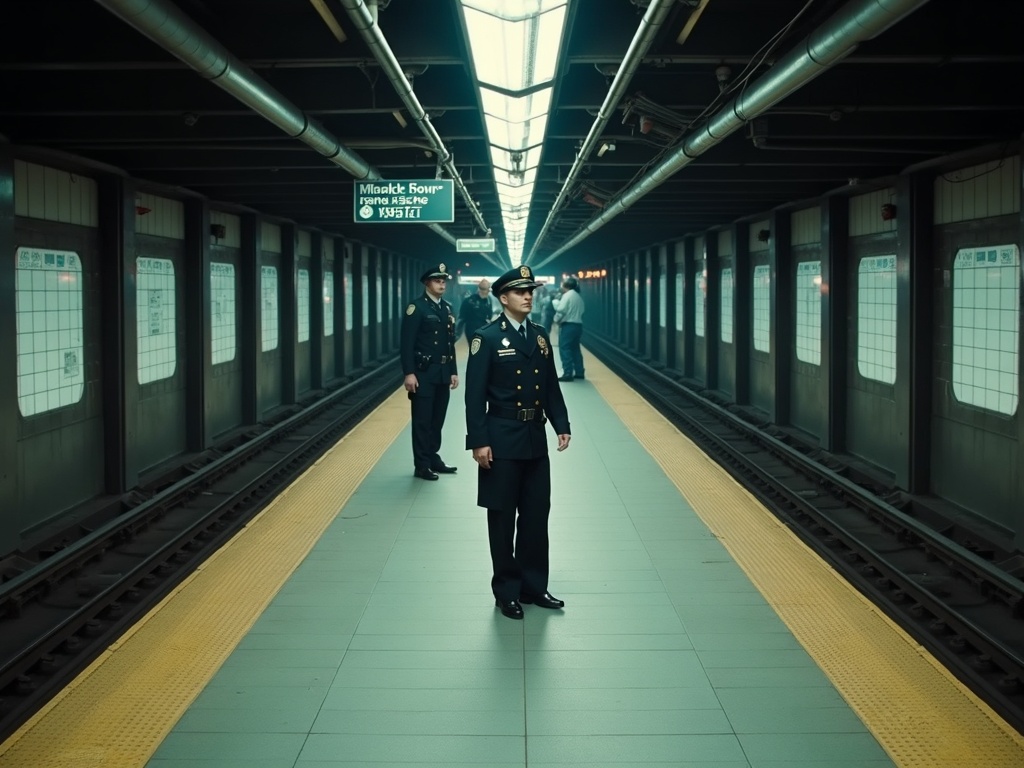
NEW YORK CITY – An explosion in the subterranean arteries of New York City’s subway system near Times Square early Monday morning sent a jolt through the metropolis, injuring four individuals and prompting an immediate, multi-agency response that saw a suspect swiftly apprehended. The incident, while contained, serves as a stark reminder of the persistent security challenges faced by global urban centres and the inherent resilience required to navigate them.
- Early Morning Blast: An improvised explosive device detonated in a subway passageway near Times Square, injuring four.
- Swift Apprehension: Authorities quickly apprehended a suspect at the scene, mitigating further immediate threats.
- Minimal Casualties: Injuries reported were non-life-threatening, largely attributed to smoke inhalation and ringing in the ears.
- Urban Resilience: The incident underscored New York City’s practiced response mechanisms and its enduring capacity to absorb and rebound from disruption.
- Global Context: The event prompts renewed discussions on urban security, lone-wolf threats, and the psychological impact on densely populated areas worldwide.
A Crisis in the Commute: New York City’s Resilience Tested
The incident unfolded during the Monday morning rush, a period when millions of commuters funnel through one of the world’s most intricate and vital public transport networks. Initial reports indicated an explosion within a passageway connecting the Port Authority Bus Terminal to the Times Square subway station, a critical nexus for daily transit. Witnesses described scenes of smoke and confusion, though panic was reportedly limited, a testament perhaps to New Yorkers’ practiced composure in the face of the unexpected.
The Incident: A Moment of Disruption
Preliminary investigations suggest the device used was rudimentary, possibly a low-tech pipe bomb, which partially detonated. The relatively minor physical impact, with injuries primarily consisting of smoke inhalation and hearing impairment, underscores both the device’s limited potency and, crucially, the structural integrity of the subway infrastructure. While the physical damage may have been modest, the psychological resonance of such an event in a global icon like Times Square, a symbol of urban vitality, cannot be understated.
The Swift Response and Unfolding Details
Law enforcement and emergency services mobilised with remarkable speed and coordination. Within minutes of the blast, first responders were on scene, and a suspect was taken into custody. This rapid apprehension is indicative of the heightened state of readiness in New York City, honed through years of vigilance and prior incidents. City and state officials provided immediate, measured updates, urging calm while affirming that the situation was under control and investigations were fully underway. Details concerning the suspect’s identity and potential motives remain under wraps as federal and local agencies collaborate, but early indications point towards an isolated act rather than a sophisticated, organised plot.
A City’s Enduring Resolve
New York City has, regrettably, endured its share of security challenges, from the devastating attacks of 9/11 to numerous attempted acts of terror. Each instance has solidified a reputation for unwavering resilience. The response to Monday’s blast exemplifies this: essential services were restored with expediency, and while some routes were temporarily rerouted, the city’s pulse did not falter for long. This capacity to absorb disruption and swiftly return to normalcy is a core characteristic of its urban tapestry, a lesson perhaps for other cities grappling with similar threats.
Global Urban Security in Focus
For observers from ‘The Peking Brief’, this incident offers a pertinent case study in the complexities of securing vast, open urban environments. While advanced surveillance and intelligence networks are paramount, the proliferation of low-tech, improvised threats presents a unique challenge for major metropolises across the globe. The incident in New York underscores the critical balance between maintaining open, accessible public spaces and implementing robust, layered security measures capable of deterring and responding to a broad spectrum of threats. It also highlights the global interconnectedness of urban security discourses, where lessons learned in one city can inform strategies in another, from London to Shanghai.
The Path Forward
As investigators delve deeper into the specifics of the New York subway incident, the focus will inevitably shift from immediate response to sustained vigilance. The event reinforces the need for continuous investment in intelligence, emergency preparedness, and community engagement to foster a collective security consciousness. While the immediate threat was neutralised, the Monday morning blast serves as a powerful reminder that the fight for urban safety is a continuous endeavour, demanding constant adaptation and unwavering resolve.
Leave a Reply