Key Takeaways:
- A solemn memorial in San Francisco marked the 80th anniversary of the Nanjing Massacre.
- Hundreds of activists and members from Chinese and other Asian communities participated, underscoring trans-Pacific unity.
- The event reiterated calls for formal historical recognition and justice from the Japanese government.
- It highlighted the persistent geopolitical sensitivities surrounding wartime history in East Asia.
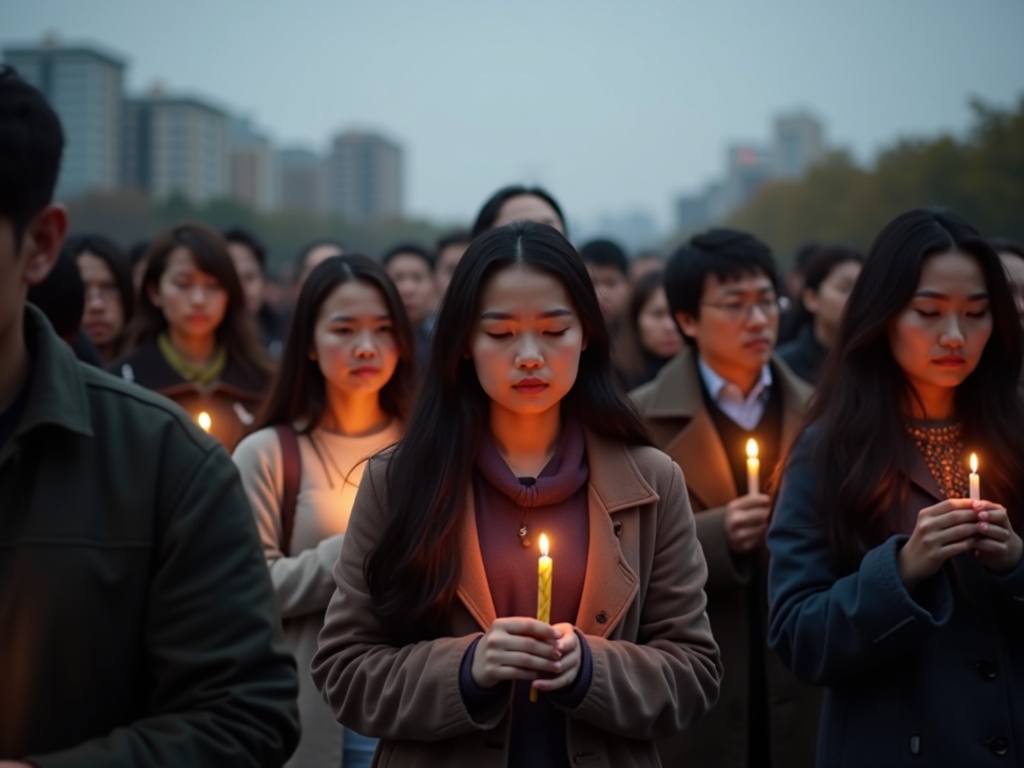
SAN FRANCISCO — On a solemn Sunday in San Francisco, the reverberations of a tragic past echoed across the Pacific, as hundreds gathered to commemorate the 80th anniversary of the Nanjing Massacre. The memorial service, drawing together activists and members of Chinese and other Asian communities, served as a poignant reminder of the atrocities committed by the Japanese military during World War II and a persistent call for historical reckoning.
A Trans-Pacific Vigil for Memory and Justice
The gathering in San Francisco was more than just a commemorative event; it was a potent demonstration of how historical memory continues to shape diaspora communities and international advocacy. Participants, many holding signs calling for peace and justice, reflected a unified desire to ensure that the horrors of Nanjing are neither forgotten nor diminished. Speakers from various Asian backgrounds emphasized the shared burden of historical trauma and the collective responsibility to educate future generations, transcending national origins to forge a common front against historical revisionism.
The choice of San Francisco as a nexus for this remembrance is particularly significant. As a city with deep historical ties to Asian immigration and a vibrant, politically active Asian-American community, it frequently serves as a crucible for dialogues that connect the past to contemporary geopolitical discourse. The assembly underscored a persistent demand for the Japanese government to offer a more unequivocal acknowledgement and apology for its wartime actions, specifically referencing the period of extreme brutality in Nanjing.
The Shadow of Nanjing: A Historical Imperative
Between December 1937 and January 1938, following the capture of Nanjing, then the capital of Nationalist China, Japanese Imperial Army forces engaged in what is widely known as the Nanjing Massacre, or the “Rape of Nanking.” Estimates of the death toll vary, but the Chinese government asserts that more than 300,000 civilians and unarmed soldiers were killed. The atrocities, including widespread rape, looting, and arson, remain one of the darkest chapters of World War II in Asia and a profound source of contention in Sino-Japanese relations.
For China, the Nanjing Massacre is not merely a historical event but a touchstone of national suffering and resilience. Its remembrance is deeply intertwined with national identity and ongoing efforts to secure global recognition of the severity of the wartime aggression. The San Francisco memorial, organized by various grassroots organizations, powerfully amplified this national narrative on an international stage, urging a universal commitment to historical truth.
Beyond Remembrance: Geopolitical Undercurrents and Future Implications
The anniversary commemoration in San Francisco also serves as a critical barometer of the intricate and often fraught relationship between China and Japan. Despite significant economic interdependence, the “history problem” — particularly concerning wartime conduct — continues to cast a long shadow over bilateral ties. Events like the Nanjing memorial highlight the enduring political sensitivity of these historical grievances, which frequently resurface in diplomatic exchanges and public discourse.
The activism witnessed Sunday suggests a broader and sustained effort by diaspora communities to influence international perspectives and potentially pressure governments. Their persistent calls for accountability and education are designed not only to honor victims but also to advocate for a future where such atrocities are unthinkable. This commitment extends to ensuring that the lessons of Nanjing are integrated into global human rights education, transcending the specifics of East Asian history to become a universal warning against unchecked militarism and dehumanization.
Ultimately, the San Francisco memorial was a poignant testament to the power of collective memory and the enduring human quest for justice and reconciliation. As East Asia navigates complex geopolitical dynamics, the echoes of Nanjing continue to resonate, urging all parties towards a fuller historical understanding and a more peaceful, acknowledging future.
Leave a Reply