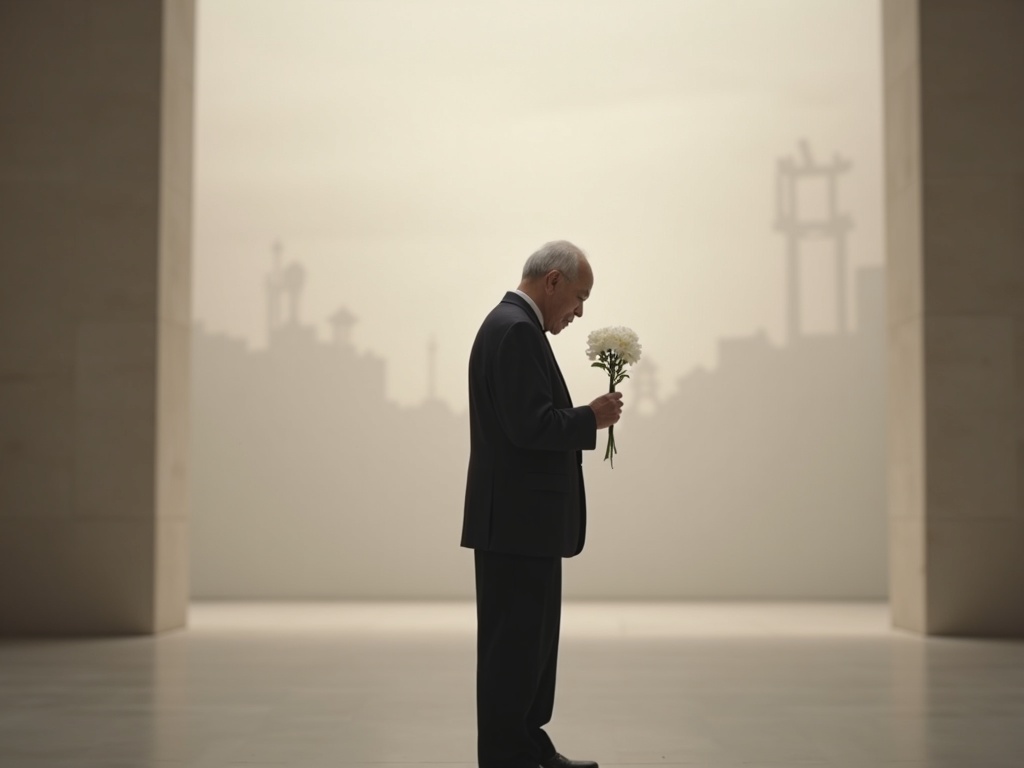
- The 80th anniversary of the Nanjing Massacre was commemorated in San Francisco, bringing together hundreds from Chinese and other Asian communities.
- The event underscores the enduring power of historical memory, particularly within diaspora communities, to maintain awareness of past atrocities.
- Despite decades, the massacre remains a significant point of contention in Sino-Japanese relations, highlighting differing historical narratives.
- The commemoration reflects a global call for official recognition and a more complete historical reckoning from Japan.
- These grassroots efforts continue to shape geopolitical discourse and influence diplomatic pressures on historical reconciliation in East Asia.
SAN FRANCISCO – Eighty years after one of the most brutal chapters of World War II, the memory of the Nanjing Massacre continues to resonate with profound clarity, not just in China but globally. On Sunday, hundreds of activists and members of Chinese and other Asian communities gathered in San Francisco to mark the 80th anniversary of the atrocities committed by the Japanese military, underscoring the enduring demand for historical acknowledgment and remembrance.
A Global Echo of Unresolved History
The San Francisco Gathering
The memorial service, held far from the original site of the massacre, served as a powerful testament to the long reach of historical trauma and the unwavering commitment of diaspora communities to its remembrance. Attendees included survivors, descendants, and advocates who converged to honor the estimated 300,000 Chinese civilians and unarmed soldiers killed by Japanese forces over six weeks starting in December 1937. The event featured solemn speeches, testimonies, and cultural performances, all aimed at ensuring that the horrific events, often referred to as the ‘Rape of Nanking’, are neither forgotten nor diminished.
Diaspora’s Role in Memory Preservation
The organization of such a significant commemoration by diaspora communities highlights their critical role in maintaining historical narratives and advocating for justice on an international stage. For many Chinese Americans and other Asian immigrant groups, these commemorations are not merely historical exercises but deeply personal acts of cultural preservation and identity affirmation. They serve as a bridge, connecting younger generations to a painful past and reinforcing a collective responsibility to prevent similar atrocities, even as geopolitical dynamics continue to shift. This grassroots activism outside of China provides a distinct, independent voice in the global conversation surrounding the massacre, often complementing state-led efforts but also reflecting a broader, more diverse constituency.
Beyond Commemoration: Geopolitical Undercurrents
Sino-Japanese Relations: A Lingering Wound
The Nanjing Massacre remains one of the most significant and unresolved historical issues between China and Japan, profoundly influencing their bilateral relations. While China views the massacre as an irrefutable historical fact demanding full acknowledgment and apology from Japan, elements within Japan’s political establishment and public continue to downplay or deny aspects of the events. This divergence in historical understanding fuels mutual distrust and periodically strains diplomatic ties, making genuine reconciliation a complex and elusive goal. The 80th anniversary serves as a stark reminder of this persistent chasm, with China often using such occasions to reiterate its calls for historical honesty.
The Search for Reconciliation
Unlike the post-war reconciliation seen between Germany and its victims, a comprehensive and mutually accepted narrative of World War II in East Asia has largely eluded Japan and its neighbors. The San Francisco memorial, while focused on remembrance, implicitly underlines the ongoing international pressure on Japan to fully account for its wartime past. For ‘The Peking Brief’, the nuanced dynamics of these commemorations—from grassroots activism to state-level diplomacy—offer crucial insights into the enduring power of history to shape contemporary international relations and the complex path toward a shared understanding of painful legacies in the Asia-Pacific region.
Leave a Reply