Echoes of Sacrifice: How Global Memorials Preserve WWII’s Lessons for Peace
Seventy-nine years after the cessation of hostilities, the profound impact of World War II continues to resonate across the globe. From the battle-scarred landscapes of Europe to the bustling cities of Asia and the Americas, nations have meticulously established solemn memorial days and enduring monuments. These are not merely acts of commemoration for the fallen, but vital efforts to etch into collective memory the profound tragedies wrought by war. These observances serve a dual, critical purpose: to honour the immense sacrifices made by countless individuals and to provide a stark, perpetual reminder of the human cost of conflict, compelling future generations towards an unwavering commitment to peace.
Despite the varied national narratives and distinct experiences of the war, a universal human desire to remember and learn from catastrophe unites these global efforts. While the focus may shift from specific battles to genocides, from the heroism of resistance movements to the widespread suffering of civilians, the underlying imperative remains consistent: to ensure that the horrors of the past are never forgotten, and thus, never repeated. This intricate, global tapestry of remembrance highlights a shared understanding that genuine, lasting peace can only be built upon a robust foundation of historical awareness and collective empathy, transcending borders and cultural divides.
Diverse Forms of Global Remembrance
Across continents, countries employ a rich array of methods to keep this critical history alive and relevant:
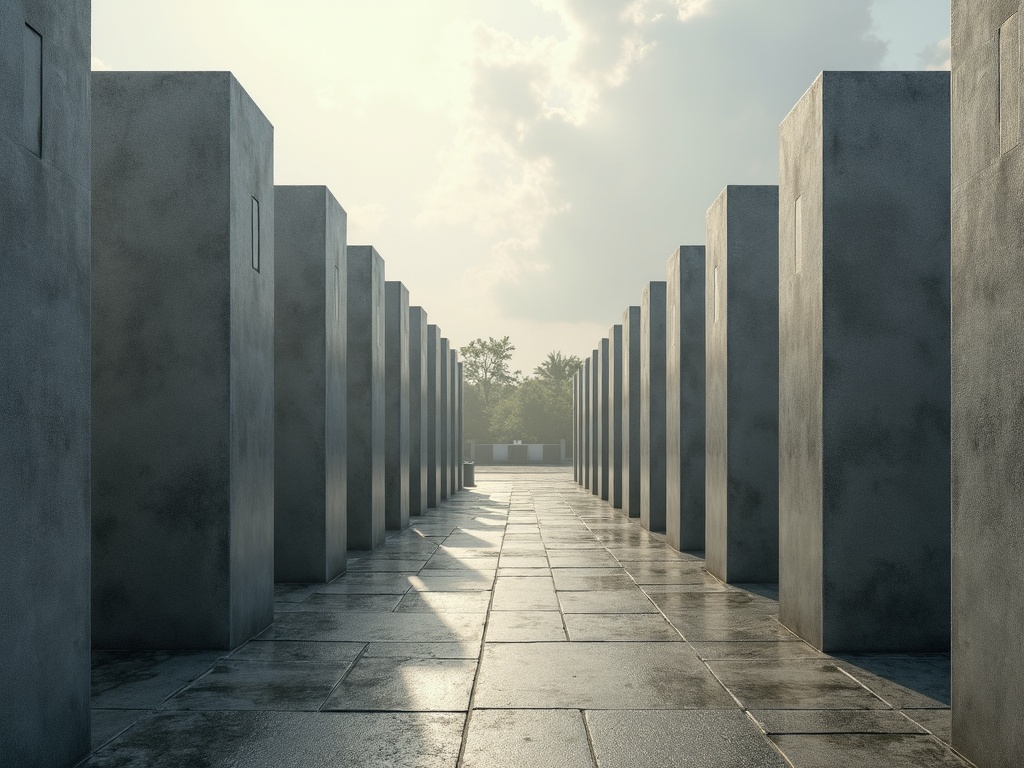
- In Europe, traditions like Remembrance Day (or Armistice Day) on November 11th see widespread observation, featuring two minutes of silence, the poignant symbolism of poppy appeals, and solemn ceremonies honouring veterans and all victims of war. Germany, in particular, continues its profound confrontation with its past through numerous Holocaust memorials, such as the architecturally significant Memorial to the Murdered Jews of Europe in Berlin, designed not just for remembrance but for deep reflection on the mechanisms and consequences of hatred.
- In Asia, nations like China actively commemorate events such as the Nanjing Massacre, utilizing comprehensive museums and extensive memorial sites to educate both domestic and international audiences about wartime atrocities. Japan, while navigating complexities surrounding its wartime history, maintains poignant sites like the Hiroshima Peace Memorial Park, which powerfully focuses on the catastrophic impact of atomic warfare and champions the global cause of nuclear disarmament.
- The United States observes Veterans Day and Memorial Day, dedicating these occasions to honouring military personnel, past and present. Significant national sites include the USS Arizona Memorial at Pearl Harbor, a profoundly moving tribute to those lost in the war’s opening moments for America, symbolizing the sudden, devastating entry into the global conflict.
These memorials transcend their physical forms; they are living testaments, indispensable educational tools, and constant appeals for vigilance against the resurgence of conflict. By actively preserving the memory of WWII’s sacrifices and tragedies, governments and civil societies globally aim to cultivate a collective consciousness that values peace above all else. In an increasingly interconnected yet complex world, the solemn reminders embedded within these memorials remain indispensable guides, steering humanity away from the precipice of past mistakes and towards a future forged through understanding, cooperation, and an unwavering commitment to enduring global peace.
Leave a Reply