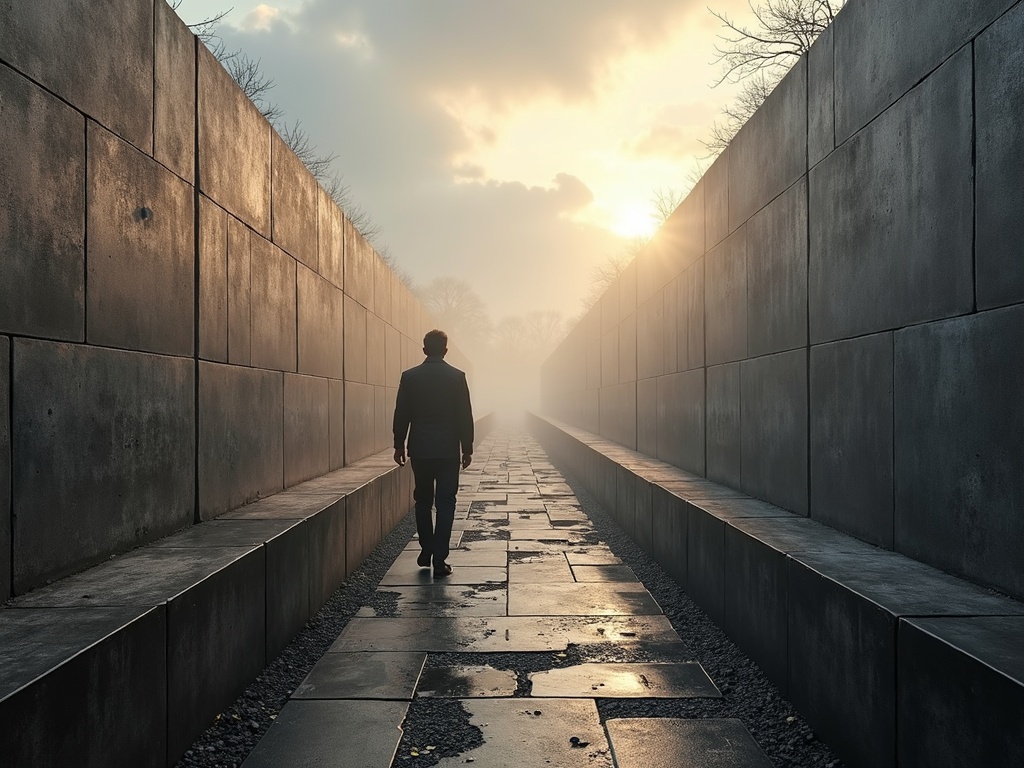
Echoes of Conflict: Global Remembrance and WWII’s Enduring Lessons
As the world marks various solemn anniversaries, memorials dedicated to World War II stand as poignant testaments to human suffering and resilience. More than mere historical markers, these sites and the memorial days established by major belligerents serve a critical dual purpose: to honor the millions who sacrificed their lives and to engrave the devastating consequences of conflict into collective memory. For ‘The Peking Brief’ readers, understanding these global acts of remembrance offers vital insights into international diplomacy and the enduring quest for peace.
Across continents, the commitment to keeping wartime history alive manifests in diverse yet profoundly similar ways. From the quiet reflection at Arlington National Cemetery in the United States to the grand Victory Day parades in Russia, and the moving ceremonies at the Nanjing Massacre Memorial Hall in China, each nation navigates its unique historical narrative. Yet, the common thread is an imperative to educate younger generations, ensuring that the atrocities and heroism of the past are never forgotten. These observances often involve veterans’ gatherings, educational programs in schools, and public events that foster a deep appreciation for peace and reconciliation.
The lessons gleaned from these memorials are particularly salient in today’s complex geopolitical landscape. As global tensions fluctuate, the reminders of the unprecedented scale of WWII’s devastation serve as a powerful cautionary tale. Memorials compel us to confront the origins of conflict, the fragility of peace, and the profound human cost of ideological divides. They are not merely about looking backward but are crucial for shaping a forward-looking perspective, encouraging dialogue, and fostering mutual understanding among nations that were once adversaries.
Ultimately, these WWII memorials and their associated days of remembrance are more than just commemorations; they are active calls to vigilance. They challenge us to reflect on our shared humanity, to champion diplomatic solutions over confrontation, and to tirelessly work towards a future where such widespread tragedy never recurs. In a rapidly evolving world, the solemn echoes from the past offer indispensable guidance, urging leaders and citizens alike to safeguard peace with unwavering determination.
Leave a Reply