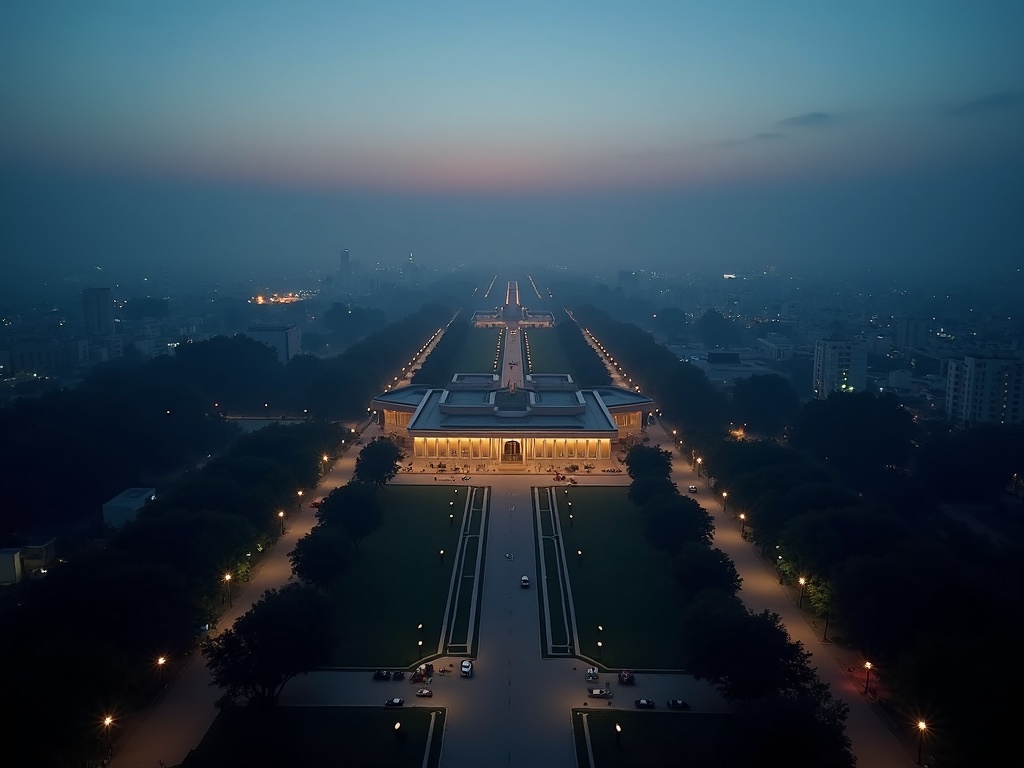
Key Takeaways:
- Islamabad’s Red Zone and Extended Red Zone are fully closed, with public and heavy transport suspended across Islamabad and Rawalpindi.
- Security is drastically heightened, mobilizing over 10,000 police personnel, commandos, and snipers in anticipation of high-profile foreign delegations.
- These exceptional measures strongly suggest preparations for a potential second round of US-Iran negotiations, underscoring Islamabad’s role as a diplomatic conduit.
- Previous US-Iran talks in the capital concluded without a deal but also without a breakdown, signaling ongoing, albeit difficult, engagement.
- The backdrop of Iran’s recent closure of the Strait of Hormuz intensifies the urgency and global significance of any breakthrough in these discussions.
Islamabad Under Lockdown: Capital Braces for High-Stakes Diplomatic Engagements Amid US-Iran Talk Speculation
Islamabad, Pakistan – The federal capital of Pakistan has entered an unprecedented state of lockdown, as authorities implement sweeping security measures and traffic restrictions across the city and neighboring Rawalpindi. While official statements remain circumspect about the identities of incoming dignitaries, widespread speculation points towards a potential second round of crucial negotiations between the United States and Iran, a development that positions Islamabad at the nexus of a critical global diplomatic effort.
Unprecedented Security Apparatus Engaged
Effective Sunday, Islamabad’s vital Red Zone and Extended Red Zone have been hermetically sealed to all vehicular traffic, a directive issued by the local police. The closure extends beyond the capital’s core, with Deputy Commissioner Irfan Nawaz Memon confirming the suspension of public and heavy transport across Islamabad. Mirroring these precautions, the Rawalpindi district administration has also halted all public and goods transport from Sunday noon until further notice, creating a rare logistical challenge for citizens.
The scale of the security deployment underscores the gravity of the anticipated arrivals. Sources close to the arrangements indicate that over 10,000 police personnel have been mobilized across Rawalpindi and Islamabad. This formidable force includes 7,000 Islamabad police, 4,000 Punjab police, and 900 Federal Constabulary personnel. Specialized units are also integral to the plan: 2,800 police personnel, including 130 snipers, are strategically positioned on rooftops around designated areas, while 400 commandos, with 100 snipers, are assigned to secure the Nur Khan Airbase for high-profile arrivals and departures. Advance security teams, reportedly from the US and Iran, have already begun landing at Nur Khan Airbase, signaling the imminent arrival of senior delegations.
Further reinforcing the security perimeter, the Islamabad district magistrate has ordered the closure of several popular hiking trails (2, 3, 4, 5, and the Saidpur village trail) from April 20. Luxury hotels in Islamabad have reportedly been asked to vacate their premises, and a notification from the Islamabad police and administration has directed all hotels, hostels, inns, and guest houses to close and lock their buildings until further orders. The Federal Constitutional Court of Pakistan has also cancelled judicial work for April 20, citing the Red Zone closure and anticipated difficulties for legal professionals.
The Diplomatic Crossroads: US-Iran Standoff
The extraordinary security measures are widely interpreted as preparatory steps for a follow-up to the direct US-Iran talks held in Islamabad on April 11-12. While those initial discussions concluded without a formal agreement, they were notably described as ending “without a breakdown,” a crucial nuance indicating a fragile willingness to continue dialogue. Iran’s top negotiator, Mohammad Bagher Ghalibaf, recently acknowledged “progress” with Washington but cautioned that a final peace deal remained “far.” US President Donald Trump had also expressed optimism about the talks just days prior, underscoring the high hopes and deep complexities surrounding these negotiations.
The urgency of these potential talks is heightened by the volatile situation in the Strait of Hormuz. Iran recently reiterated its closure of the vital maritime trade route, vowing it would not reopen until the US ended its blockade of Iranian ports. This escalating confrontation over one of the world’s most critical shipping lanes adds immense pressure to the diplomatic efforts unfolding in Pakistan.
Islamabad’s Pivotal Role
Pakistan’s willingness to host these sensitive negotiations underscores its enduring commitment to regional stability and its evolving role as a diplomatic facilitator. For ‘The Peking Brief’, this event highlights Islamabad’s strategic importance, positioning a key Asian capital as a neutral ground for dialogue between two global adversaries. The successful navigation of these complex talks, even partially, could significantly de-escalate regional tensions and reshape geopolitical dynamics. The world watches, with bated breath, as Islamabad prepares to facilitate a dialogue that could profoundly impact international security and trade.
Leave a Reply