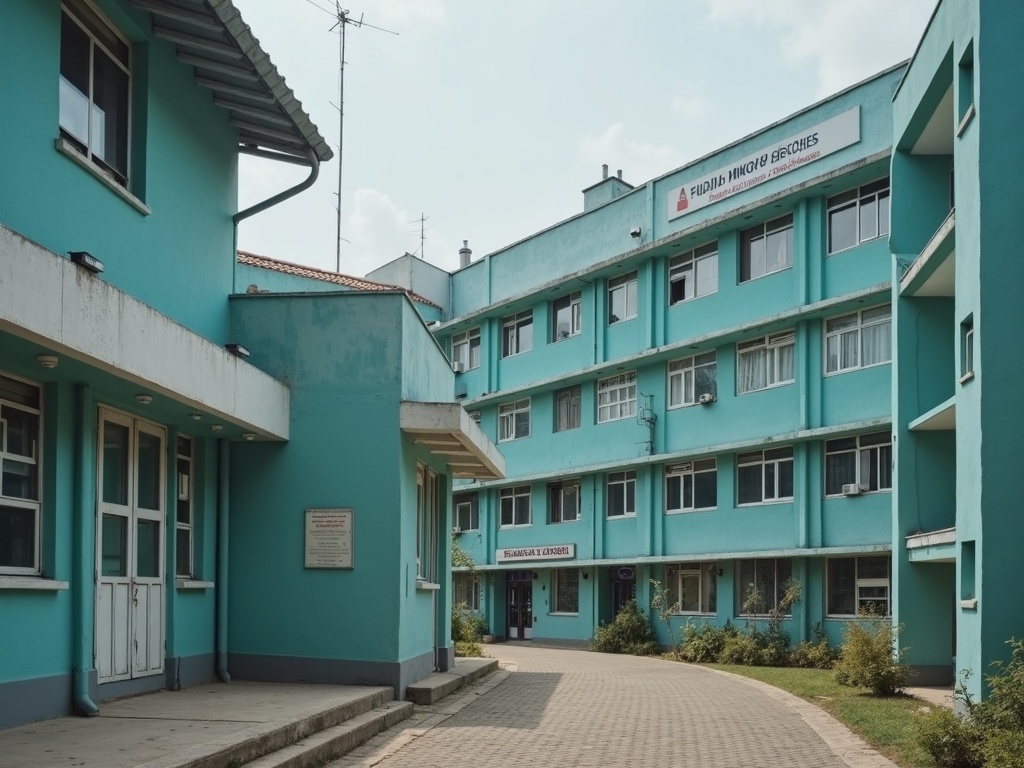
An alarming exposé by the BBC has cast a stark light on the persistent and egregious breaches of medical protocol at Taunsa Tehsil Headquarters Hospital in Punjab, Pakistan. Months after the facility was implicated in a widespread HIV outbreak among children, the British broadcaster’s investigation reveals that ‘serious malpractices’ continued unabated, despite official assurances of a crackdown.
Key Takeaways
- The BBC’s undercover investigation found ‘serious malpractices’ continuing at Taunsa hospital’s children’s ward in late 2025, long after an HIV outbreak was reported in late 2024.
- Footage revealed nurses injecting patients through clothes, reusing dirty syringes, and unqualified volunteers using blood-contaminated medicine vials.
- Systemic issues such as staff shortages, supply problems, and families being asked to buy medicines contribute to unsafe practices.
- At least 331 children in Taunsa tested positive for HIV between November 2024 and October 2025, with infections continuing even after government intervention in March 2025. Nine children have since died.
- Hospital officials, including the new Medical Superintendent, Dr. Qasim Buzdar, denied the footage or claimed it was staged, while the previously suspended MS, Dr. Tayyab Chandio, was re-appointed to another government clinic.
- The Punjab health department rebutted the BBC’s report, citing comprehensive measures taken, including a joint UN mission, widespread screening, and the sealing of numerous quack clinics, claiming a reduction in new cases.
The BBC’s Undercover Expose: A Chilling Revelation
Following a surge in HIV cases at Taunsa THQ Hospital in late 2024, Punjab authorities pledged a ‘massive crackdown’, suspending the hospital’s medical superintendent in March 2025. However, the BBC’s subsequent undercover investigation, conducted covertly over several weeks in late 2025, painted a drastically different picture. The findings, detailed in a documentary podcast and written report, uncovered a shocking disregard for basic infection control protocols, placing vulnerable children at continued risk.
Footage captured instances of nurses administering injections through patients’ clothes, the dangerous practice of handing over dirty syringes for reuse, and the utterly reckless act of unqualified volunteers repeatedly injecting children from a single, visibly blood-contaminated vial of liquid medicine. Beyond these direct violations, the investigation also documented wider systemic failures: staff handling medical waste with bare hands, exposed syringes and needles, and untrained volunteers operating unsupervised, despite an official ban from the children’s ward.
Dr. Altaf Ahmed, a consultant microbiologist and infectious disease expert, reviewed the footage and unequivocally confirmed the high risk of transmitting blood-borne diseases, including HIV, posed by these malpractices. He emphasized, “The chances [of infection] are very high, because the vial is contaminated.”
Official Denials and Shifting Blame
The human toll of these practices is staggering: at least 331 children in Taunsa tested positive for HIV between November 2024 and October 2025. Disturbingly, new infections continued even after the government’s intervention in March 2025, with 19 new cases identified in the past four months alone. To date, nine children in Taunsa have tragically succumbed to the disease.
Confronted with the undercover evidence, Dr. Qasim Buzdar, the new medical superintendent, initially claimed the footage predated his tenure, later suggesting it might have been staged. He asserted, “Infection prevention controls are followed at THQ Taunsa.” Furthermore, the local government stated that “no validated epidemiological evidence” had “conclusively established THQ as a source” of the outbreak. Adding to the controversy, Dr. Tayyab Chandio, the previous medical superintendent suspended in March 2025, was controversially re-appointed to another government clinic weeks later, where he continues to treat children, with the local government stating “no inquiry outcome has legally barred” him from practice.
Punjab’s Counter-Narrative
In response to the BBC’s investigation, the Punjab health department issued a robust rebuttal, accusing the unnamed media outlet of “irresponsible journalism” for allegedly omitting details of comprehensive measures taken. Their statement highlighted the formation of a Joint Mission in March 2025, comprising UNAIDS, UNICEF, WHO, and CMU, following the initial diagnosis of AIDS in 11 patients. This mission spearheaded a door-to-door screening of 50,000 people, identifying 345 AIDS cases, with 331 under the age of 12.
The department claimed to have established an HIV screening and treatment centre at THQ hospital, screened 5,000 individuals, and provided auto-disable syringes to all government hospitals. They attributed cases to “unscreened use of blood or repeated use of syringes” at unregistered clinics or by quacks, reporting the sealing of 240 such clinics. According to their data, new cases significantly decreased from 82 in April 2025 and 95 in August 2025 to just four in December 2025, following these interventions.
Editorial Insight: A Crisis of Trust and Governance
The BBC’s findings present a critical challenge to the official narrative of swift and effective action. While the Punjab health department’s proactive screening and establishment of a joint mission are commendable, the continued persistence of severe malpractices within a government hospital, as evidenced by the undercover footage, speaks to a deeper systemic failure. The contrasting accounts underscore a fundamental crisis of transparency and accountability in public health governance. The re-appointment of a suspended official, coupled with outright denial of documented misconduct, erodes public trust and raises profound questions about the efficacy of oversight mechanisms. This situation highlights the immense difficulties in implementing genuine reforms within under-resourced public health systems, especially when confronted with institutional inertia and a reluctance to acknowledge uncomfortable truths. The ongoing toll of new infections and tragic deaths among Taunsa’s children serves as a grim reminder that promises alone are insufficient; only sustained, verifiable change can truly safeguard the lives of the most vulnerable.
Leave a Reply