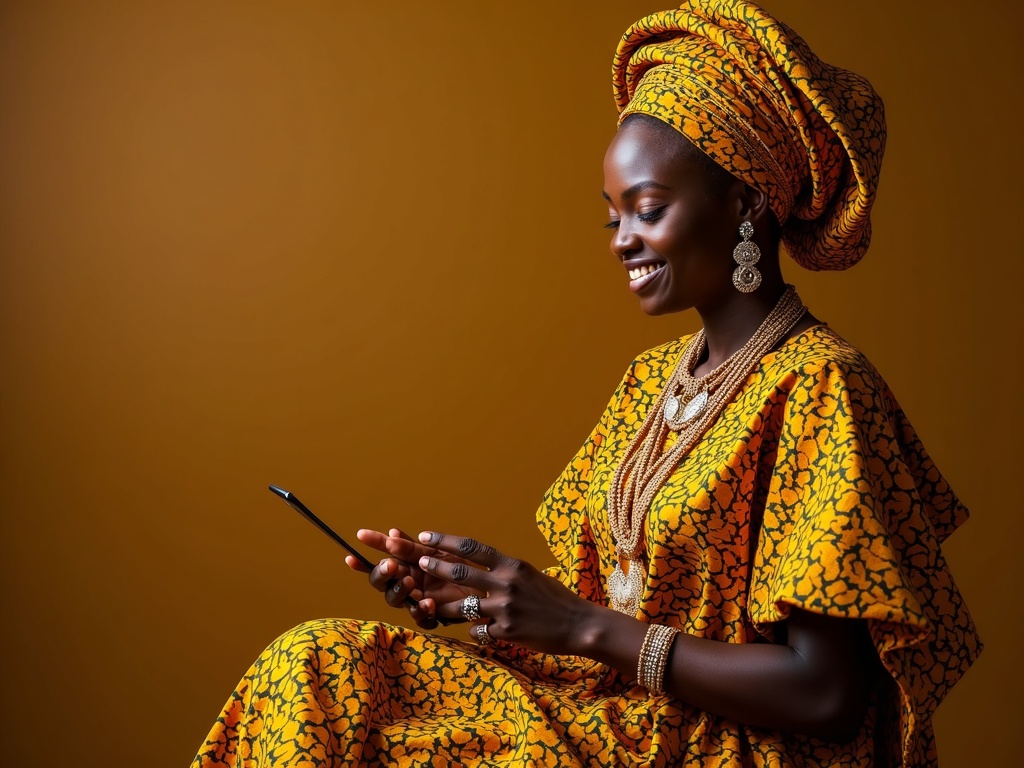
LAGOS – In a world increasingly dominated by automation and rapid mass production, a quiet revolution is unfolding in West Africa. Nigerian artisans are standing firm against the tide of mechanisation, meticulously preserving the centuries-old tradition of handwoven aso-oke fabric. This steadfast commitment to authenticity comes at a time when global demand for the distinctive textile is soaring, elevating it from a local cultural emblem to a staple in international fashion markets.
Key Takeaways
- Nigerian aso-oke, a traditional handwoven fabric, is experiencing surging global demand.
- Artisans are deliberately resisting industrial mechanisation to preserve the fabric’s unique authenticity and quality.
- This commitment safeguards invaluable cultural heritage and provides sustainable economic empowerment for local communities.
- The movement highlights a growing global appreciation for sustainable, ethically sourced fashion and artisanal craftsmanship.
The Enduring Craft of Aso-Oke: A Tapestry of Heritage
Aso-oke, meaning ‘top cloth’ in the Yoruba language, is more than just a fabric; it is a profound expression of identity and artistry. Woven by hand on traditional looms, often by men, this intricate textile has been central to Nigerian ceremonial attire for generations, signifying status, wealth, and cultural belonging. Each strip, painstakingly created, is later sewn together to form garments for weddings, chieftaincy installations, and other significant events. The colours, patterns, and textures tell stories, often unique to a particular family or occasion.
Resisting the Machine: A Statement of Authenticity
As global fashion brands and designers increasingly seek out unique, high-quality materials with compelling backstories, aso-oke’s profile has skyrocketed. From Parisian runways to boutique showrooms in New York, its rich textures and vibrant hues are captivating audiences. Yet, unlike many traditional crafts that yield to industrial processes under commercial pressure, Nigerian aso-oke weavers have largely chosen a different path. They understand that the very essence of aso-oke—its distinctive feel, its slight imperfections, its soul—lies in the human touch. Mechanisation, while increasing output, would inevitably dilute the very qualities that make it precious. This resistance is a powerful assertion of value, placing **cultural preservation** above mere production volume, a rare stance in today’s **globalized economy**.
Economic Empowerment Through Cultural Diplomacy
This unwavering commitment to traditional methods is not merely an act of cultural defiance; it is also a strategic driver of sustainable economic development. By maintaining handweaving techniques, artisans ensure that the craft remains labour-intensive, providing livelihoods for thousands across Nigeria. From the spinners and dyers to the weavers and tailors, an entire ecosystem thrives around aso-oke production. This direct empowerment of local communities, particularly within the informal economy, fosters skills transfer across generations and mitigates rural-urban migration. Furthermore, aso-oke acts as a form of powerful cultural diplomacy, exporting a tangible piece of Nigerian heritage to an appreciative world, fostering cross-cultural understanding and cementing Nigeria’s place on the global fashion map.
The Peking Brief’s Lens: A Model for Artisanal Industries?
From our vantage point at The Peking Brief, Nigeria’s resolute stance offers invaluable lessons. In an era where global supply chains often prioritize speed and cost over craftsmanship and ethical production, the aso-oke movement provides a compelling counter-narrative. It underscores the growing consumer demand for products with authenticity, a story, and a human connection. This model of preserving traditional skills while adapting to modern market needs could serve as a blueprint for other nations—including those in Asia—grappling with how to maintain **artisanal industries** in the face of rapid industrialization. It’s a testament to the enduring power of tradition and the immense value of **human capital** in a digital age, emphasizing that true luxury often lies in the irreplaceable touch of skilled hands.
As aso-oke continues its ascent in the global fashion markets, its journey remains firmly rooted in the intricate, dedicated work of Nigerian artisans. Their refusal to compromise on tradition ensures that each thread carries not just colour and texture, but the vibrant legacy of a nation.
Leave a Reply