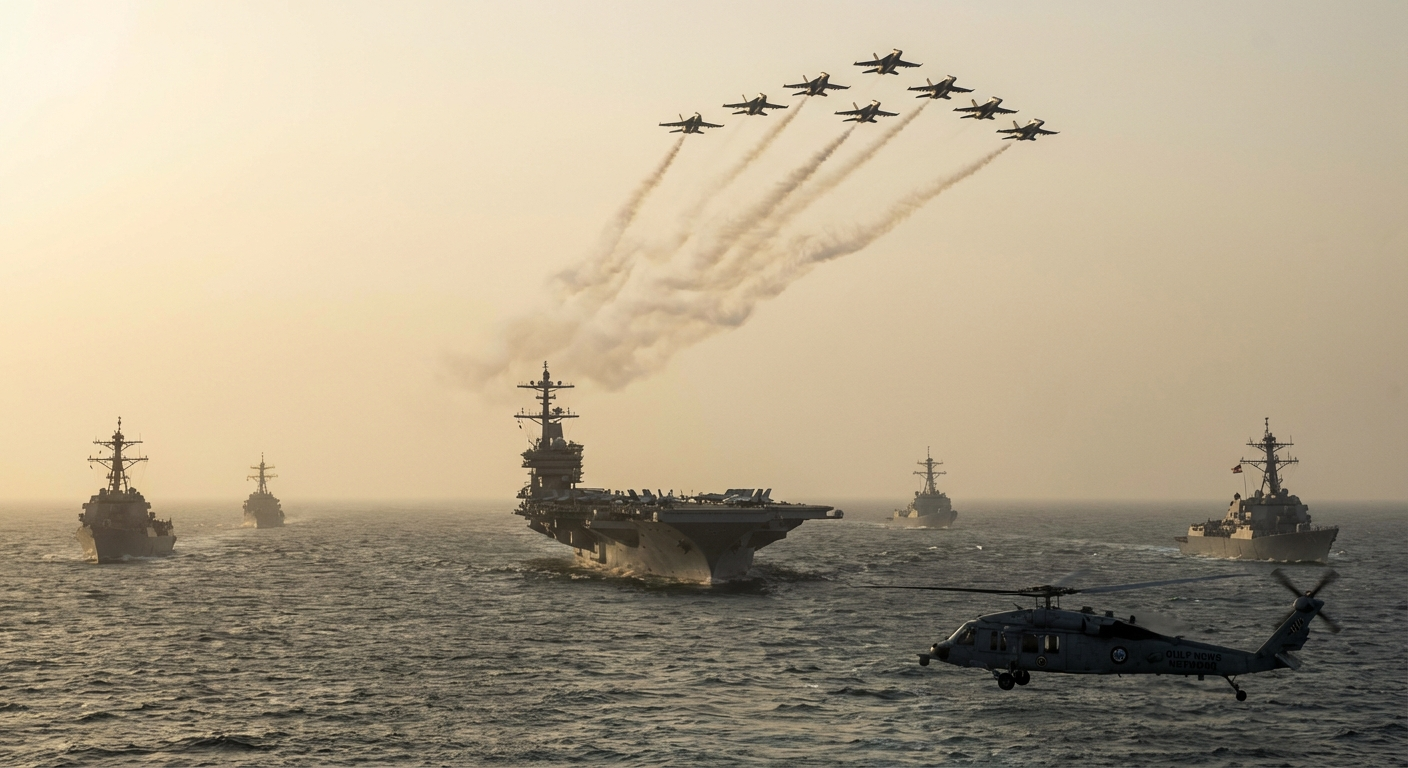
WASHINGTON – The geopolitical landscape has shifted dramatically this week as tensions between the United States and Iran reach a boiling point. Following a series of airstrikes and retaliatory threats, US President Donald Trump has issued a stern warning to Tehran, stating that the US is prepared for any eventuality, including the deployment of ground troops if necessary.
US Stance
In a press conference from the White House, President Trump declared that while the US does not seek a prolonged conflict, it will not hesitate to defend its interests and allies in the region. “We are ready. Our military is the finest in the world,” Trump asserted, adding that the conflict could last “four to five weeks” if Iran chooses to escalate further. Reports indicate that additional US naval assets are being moved into position in the Persian Gulf as a show of force.
UK Position
Across the Atlantic, the United Kingdom has taken a more cautious approach. Prime Minister Keir Starmer, addressing the House of Commons, explicitly ruled out British participation in any operation aimed at “regime change from the skies.” Starmer emphasized the need for de-escalation and diplomatic engagement, distancing the UK from any potential large-scale military offensive. “Our priority is stability and the protection of international law,” Starmer stated, highlighting a divergence in strategy among Western allies.
International Reactions
The international community remains on high alert. The European Union has called for an emergency meeting of foreign ministers to discuss the crisis, urging all parties to step back from the brink. meanwhile, Russia and China have both issued statements condemning the escalation and warning against foreign intervention in sovereign nations.
As diplomatic channels strain under the pressure, the world watches nervously. The coming days will be critical in determining whether this standoff can be resolved through negotiation or if it will spiral into a wider, more devastating conflict.
Leave a Reply